
A CEO CV is fundamentally different from a standard resume. It functions as a high-level briefing document detailing your history of revenue generation, successful acquisitions, venture fundraising, and corporate board governance. It must exude gravitas and leadership.
At the chief executive level, recruiters are assessing your ability to act as the face of the company and steer enterprise strategy. Your bullet points should read like press releases: 'Led company through Series C financing, securing $50M in venture capital at a $400M valuation while maintaining 120% YoY revenue growth.'
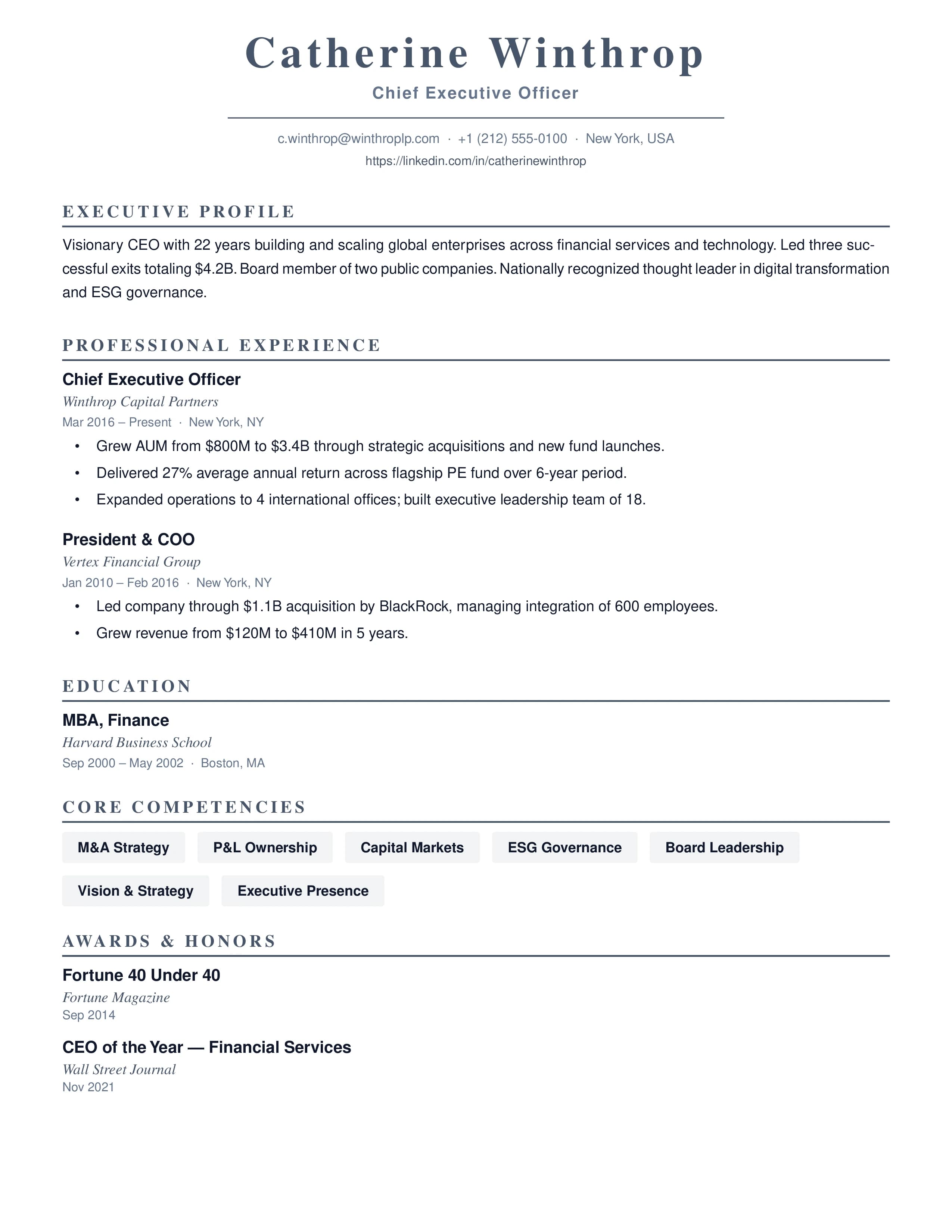
A luxury, highly refined executive template is required to match the pedigree of the roles you are targeting. Keep technical jargon to a minimum. Use our Executive Luxury template to focus attention purely on your strategic oversight, media appearances, and board memberships.
Executive search firms and boards want to see compound annual revenue growth (CAGR) under your leadership — include it prominently.
List notable board memberships, advisory roles, and media features (Forbes, TechCrunch) — they validate your public market presence.
Be explicit about company scale: employee count, global markets served, and total capital raised or managed under your tenure.
Your professional summary should read like a 30-second investor pitch — concise, aspirational, and outcome-focused.
Sample professional summary — adapt this to your own experience
“Visionary C-Suite executive and three-time founder with a 20-year track record of building and scaling global technology companies from seed to $500M+ in revenue. Led two successful IPOs on NASDAQ and one strategic acquisition at a $1.2B valuation. Board advisor to four portfolio companies and frequent keynote speaker at Davos and SaaStr Annual.”
Pro tip: Replace the specifics with your own numbers, technologies, and company names. Keep it to 2–3 sentences and place it at the very top of your resume, immediately below your contact information.
Every strong Chief Executive Officer CV includes these sections, structured in this order to maximise ATS parsing and recruiter readability:
Applicant Tracking Systems (ATS) scan your resume for specific keywords. Include these hard and soft skills if they match your experience — and mirror the exact terminology from each job description you apply to.
Pro tip: Copy the exact phrasing of skills from the job description into your resume. ATS systems often match on exact strings — “Project Management” and “project mgmt” may score differently.
Follow this proven structure to build a resume that passes ATS screening and impresses hiring managers in Executive.
Open with 2–3 sentences that highlight your years of experience as a Chief Executive Officer, your specialisations, and your single most impressive measurable achievement. Avoid generic phrases like "results-oriented professional" — be specific.
List your hard and soft skills relevant to Chief Executive Officer roles. Mirror keywords directly from the job descriptions you are applying to. Include tools, platforms, and frameworks by their full names.
Use the CAR formula: Challenge → Action → Result. Replace task descriptions with outcomes — metrics, percentages, revenue figures, or time saved. Every bullet should answer "so what?"
Include your highest relevant qualification and any industry certifications valued in Executive hiring. List in reverse-chronological order. Include GPA only if it is 3.5+ and you are early in your career.
Select a layout that matches the visual expectations of Executive recruiters. Use our recommended templates below and export to PDF for consistent, pixel-perfect rendering across all ATS platforms.
While the featured design above is our top pick, these alternative ATS-friendly layouts also perform exceptionally well for Chief Executive Officer applications.
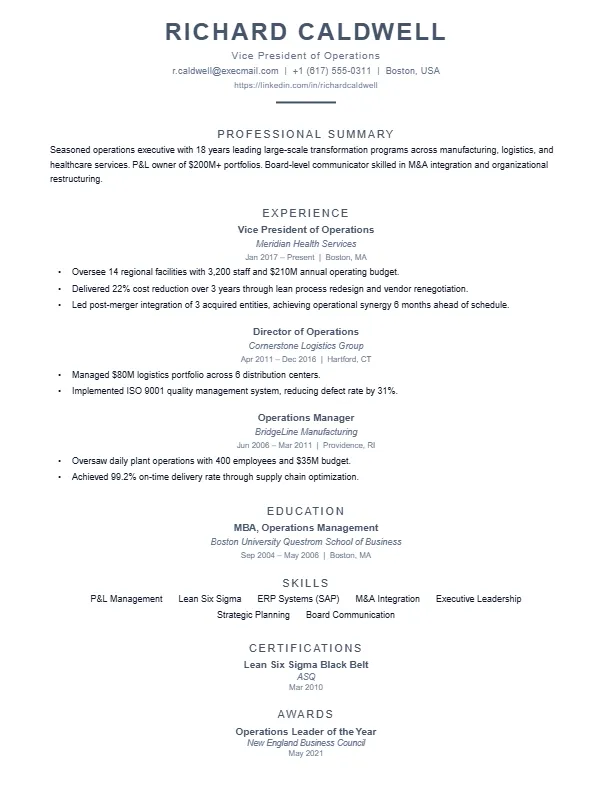
ATS-optimised for Chief Executive Officer roles.
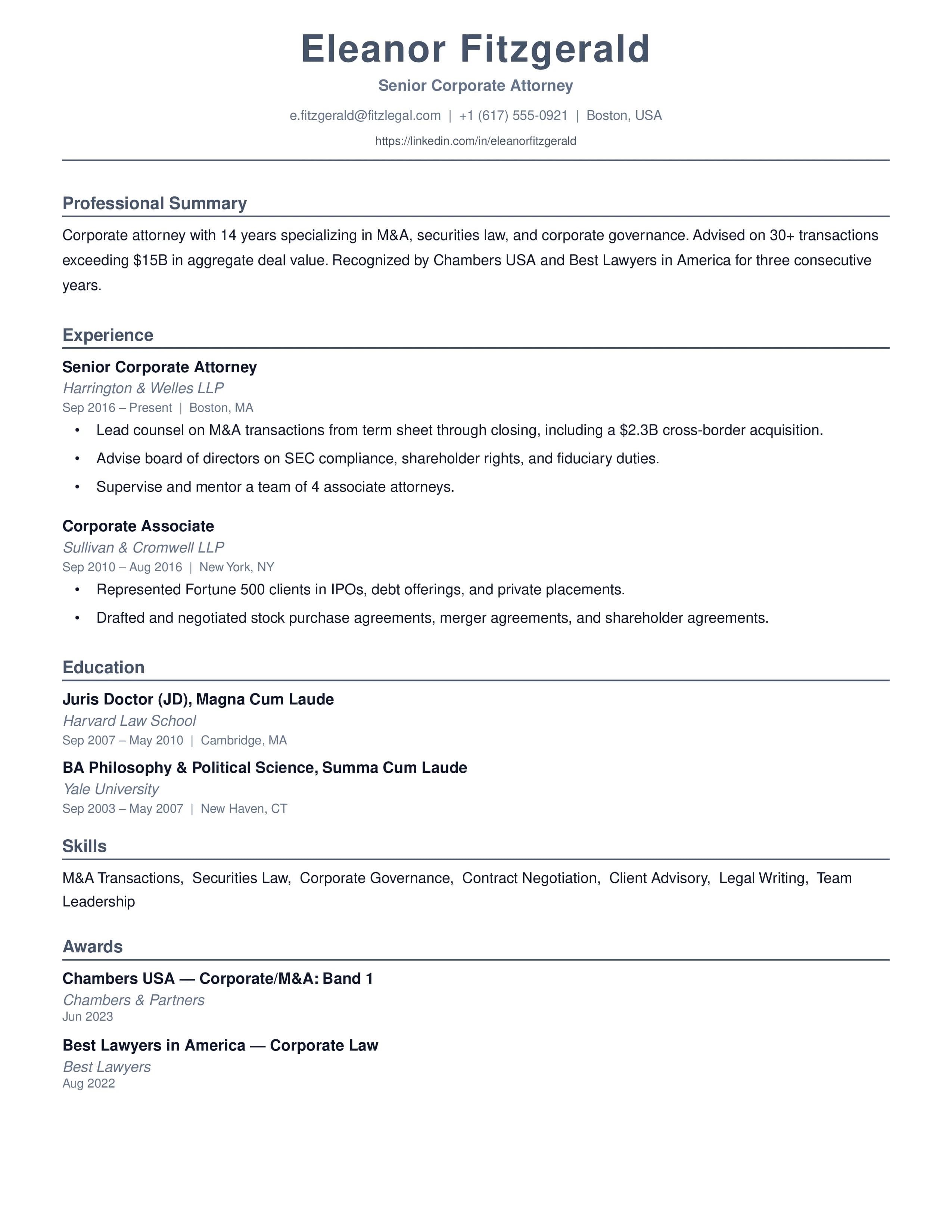
ATS-optimised for Chief Executive Officer roles.
Join thousands of professionals who have landed their dream roles using our ATS-optimised builder and premium templates — completely free.
Create Free Resume / CV